
The Epidemiology of COVID-19: Transmission, Impacts, and Global Responses
In modern history, COVID-19 became one of the most significant global pandemics because of its rapid transmission, widespread health impacts, and socioeconomic consequences. COVID-19 is an infectious respiratory disease that is caused by the SARS-CoV-2 coronavirus and was first identified in December 2019. The Wuhan Health Commission in China reported a cluster of pneumonia with unknown causes on December 31 to the World Health Organization (WHO). By January 7, 2020, researchers identified the illness as a coronavirus. The virus spread rapidly across international borders and was officially declared a pandemic by the WHO on March 11, 2020. The disease caused millions of deaths worldwide and affected healthcare systems, economies, education, and daily life. One of the major reasons COVID-19 spread so quickly was that infected individuals could transmit the virus with no visible symptoms.

The first major outbreak occurred in Wuhan, China. The Chinese doctors reported unusual pneumonia cases in December 2019. Many of the cases were related to animal markets. Scientists believe the virus likely evolved in bats before spreading to humans, although the exact cause is unknown. Human-to-human transmission was confirmed in January 2020, increasing concern among health organizations and country governments. International travel contributed significantly to the global spread of the disease as infected travelers carried the virus across borders without visible symptoms. As more countries began reporting cases, governments struggled to prevent the rapid transmission of the disease during its early stages.

COVID-19 spreads primarily through respiratory droplets and aerosols released from individuals coughing, sneezing, speaking, or breathing. Transmission risk increases in crowded indoor spaces with close contact between individuals. The virus was transmitted asymptomatically, where infected individuals spread the disease without showing symptoms. Epidemiologists study these patterns to understand and reduce disease spread. The basic reproduction number, or R₀, for early variants of COVID-19 was estimated between 2 and 3, meaning one infected person could spread the virus to approximately two or three others. Later variants or mutations, including Delta and Omicron, demonstrated higher transmission rates. Epidemiological data and infection graphs revealed sharp increases in cases over time, showing how contagious the virus was. The graphs and data helped governments to create prevention strategies.

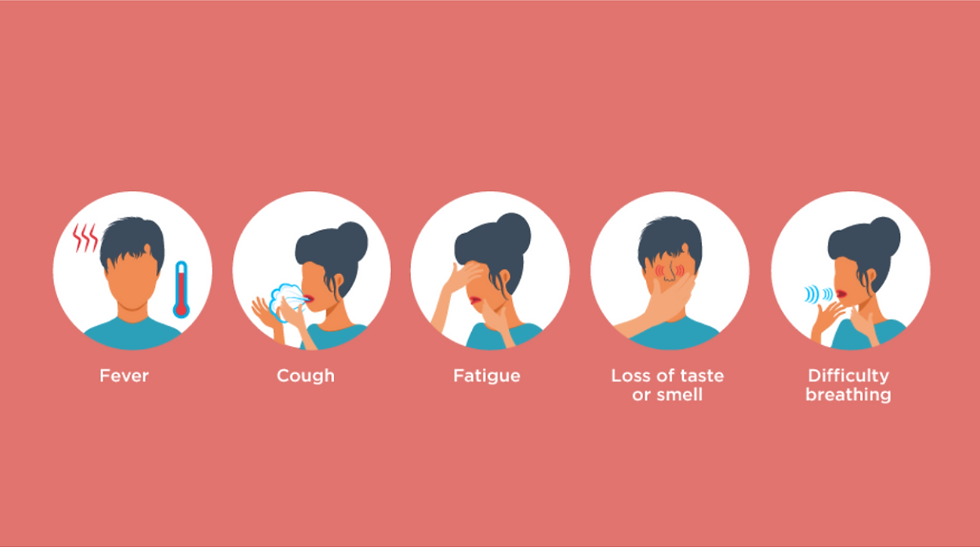
COVID-19 affected human health in different ways, ranging from mild illness to severe medical issues and death. Common symptoms included fever, cough, fatigue, loss of taste or smell, and shortness of breath. Severe cases could develop into pneumonia, respiratory failure, organ damage, and even death. Certain populations faced higher risks, including elderly individuals and individuals with conditions such as diabetes, obesity, or heart disease. In addition, many patients experienced long-term effects after infection. Long COVID caused long-term symptoms that lasted for months, including fatigue, breathing difficulties, and memory problems.
Governments and public health organizations introduced numerous measures to slow the spread of COVID-19. Prevention strategies included lockdowns, mask mandates, social distancing, testing programs, isolation procedures, and contract tracing systems. Vaccination became one of the most important measures in controlling the pandemic. Vaccines developed by Pfizer-BioNTech, Moderna, and AstraZeneca were distributed worldwide, helping to reduce death rates. mRNA vaccine technology allowed scientists to develop vaccines quickly and slow down the rapid spread of COVID-19. However, public health responses also faced challenges including vaccine hesitancy, misinformation from social media, unequal distribution between countries, and political disagreements over restrictions.

The pandemic had major social and economic consequences that affected nearly every aspect of society. Education systems experienced widespread disruption as schools closed and shifted to online learning, causing learning loss for many students. Economically, private businesses closed temporarily and permanently, unemployment increased, and global supply chains were disrupted. The pandemic created significant mental health challenges including anxiety, depression, social isolation, and stress caused by quarantine measures. Healthcare systems faced high pressure as hospitals became overcrowded. Healthcare workers experienced severe overwhelm due to shortages of medical supplies and staff.

COVID-19 demonstrated how quickly contagious diseases can spread in the modern world. Epidemiology played a crucial role in helping scientists and governments understand transmission patterns, track infections, and create effective measures. The pandemic emphasized the importance of international cooperation, scientific research, and vaccination programs. COVID-19 showed that early detection, response systems, and strong public health infrastructure are essential for preventing future outbreaks. Although the pandemic caused massive global disruption, it also highlighted the importance of epidemiological research and future preparedness in protecting public health.
References:


Comments