
Genetically Modified Organisms: Technology, Benefits, and Concerns
Genetically Modified Organisms (GMOs) are living organisms whose genomes have been altered in a laboratory to introduce or modify desired traits. This process allows scientists to engineer plants, animals, or microorganisms with character traits that do not naturally occur within the species. Although the concept sounds new and modern, the idea of selecting organisms based on desirable traits has existed for centuries. Conventional livestock production, crop farming, and even pet breeding have long relied on choosing individuals with desirable traits to produce improved offspring. Modern genetic engineering builds on this tradition but uses advanced biotechnology to introduce new traits by inserting genes from an unrelated species. This shift represents a magical technological transition from traditional breeding.

One of the modern techniques used to produce GMOs is recombinant DNA technology. This method involves inserting one or more individual genes from an organism into the DNA of another organism. For example, scientists can insert a gene from a bacterium into corn so the corn becomes resistant to insect pests. By doing so, scientists can make the recipient organism express new or desired traits such as disease resistance or improved nutritional content. In advanced research settings, entire genomes have been transplanted: scientists have reported replacing one bacterial genome with another within a host “cell body,” or cytoplasm of another microorganism, known as the whole-genome replacement. However, these forms of genetic manipulation remain mostly limited to basic science rather than practical, daily applications.

Another modern technique used to produce GMOs is reproductive cloning, which has a different purpose compared to recombinant DNA technology. Reproductive cloning aims to create an organism that is genetically identical to another. The process begins by removing the nucleus from a host egg cell and replacing it with the nucleus from a donor organism. When the egg develops, the resulting offspring carries the same genetic material as the donor. The first well-known success in this area was Dolly the sheep in 1996, who was cloned from an adult somatic cell. Since then, cloning technology has been applied to many animals, including pigs, dogs, and horses. Rather than modifying genes, reproductive cloning does not involve adding or altering genetic material. Instead, it simply copies an existing genome to create an organism that is genetically identical to another. While cloning is not the same as producing GMOs, both technologies highlight how modern biotechnology can allow humans to shape living systems in new ways.

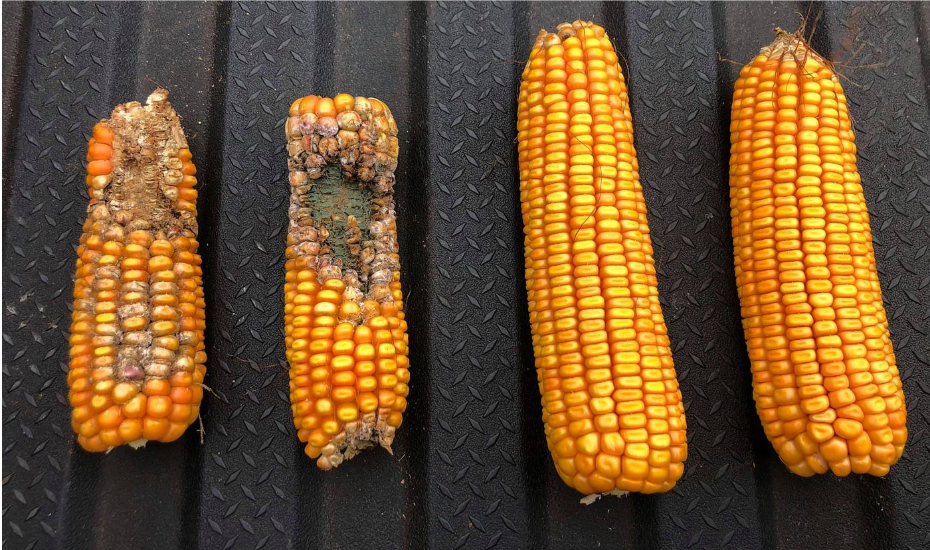
The most widely used and well-studied GMO products are genetically modified corn, especially Bt corn. This corn is engineered to include genes from Bacillus thuringiensis (Bt), a soil bacterium that naturally produces insecticidal proteins. When inserted into corn DNA, these genes allow the plant to generate its own resistance against pests such as corn borers and rootworms. Bt corn offers several benefits and is highly effective at controlling major pests, reducing the need for chemical insecticide sprays. This decrease also helps protect beneficial insects and the surrounding environment. Additionally, since crops suffer less damage, farmers experience higher crop earnings and less economic loss.

Nevertheless, the usage of GMO crops raises significant ethical concerns and faces numerous challenges. One challenge is the possibility of pests developing resistance to Bt proteins. To slow this process, farmers are required to plant refuge areas of the non-Bt corn, giving pests a place to survive without evolving resistance quickly. These are also ongoing discussions and considerations about potential health risks, such as allergies, although major scientific agencies, including the U.S. Environmental Protection Agency, have consistently found Bt corn safe for humans when used properly. Broader concerns involve ecological impacts, such as the development of “superweeds” from herbicide-tolerant crops or potential disruptions to ecosystems.
Overall, GMOs represent a powerful scientific tool that can improve agriculture and advance biological research. Yet they also require careful consideration and long-term monitoring to balance innovation with environmental and public safety.
References
“Ethical Issue Related to Genetically Modified Organisms.” GeeksforGeeks, 23 July 2025, https://www.geeksforgeeks.org/biology/ethical-issues-related-to-modified-organisms/.
Fridovich, Judith L. “Genetically modified organism (GMO) | Definition, Examples, & Facts.” Britannica, 7 December 2025, https://www.britannica.com/science/genetically-modified-organism.
“How GMOs Are Regulated in the United States - GMO Crops, Animal Food, and Beyond.” FDA, 5 March 2024, https://www.fda.gov/food/agricultural-biotechnology/gmo-crops-animal-food-and-beyond.
Keres, Preston. “Genetically Modified Corn Does Not Damage Non-Target Organisms.” USDA ARS, 6 June 2022, https://www.ars.usda.gov/news-events/news/research-news/2022/genetically-modified-corn-does-not-damage-non-target-organisms/.
Meacham, Jared, and Natalie Olsen. “GMOs: Pros and Cons, Backed by Evidence.” Healthline, 9 January 2024, https://www.healthline.com/nutrition/gmo-pros-and-cons.


Comments